A man wakes up and fights a robot, revised four times in Seedance
Yesterday a man left his house and drove off. Today he wakes up, hears something tearing the city apart, and goes out to fight it. Same character, same world, pushed somewhere harder: a longer piece with an actual action beat instead of a calm walk to a car. The keeper is up top, the fifty two second golden hour cut. Everything below is the four versions it took, and the one thing I wanted to learn, which is whether Seedance can hold continuity and stage believable physical action across most of a minute, or whether it falls apart the way a long single take always does.
Before any of it, I built the antagonist. The man carries over as a locked character, so the new design work was the robot, and I explored three of them before committing. A tall blade armed humanoid, a heavy hunched bruiser, and a low insectoid thing on scythe legs. Clean turnarounds on neutral gray, same rule as always: never hand the engine a reference with scene lighting already baked in, or that lighting follows you into every shot.
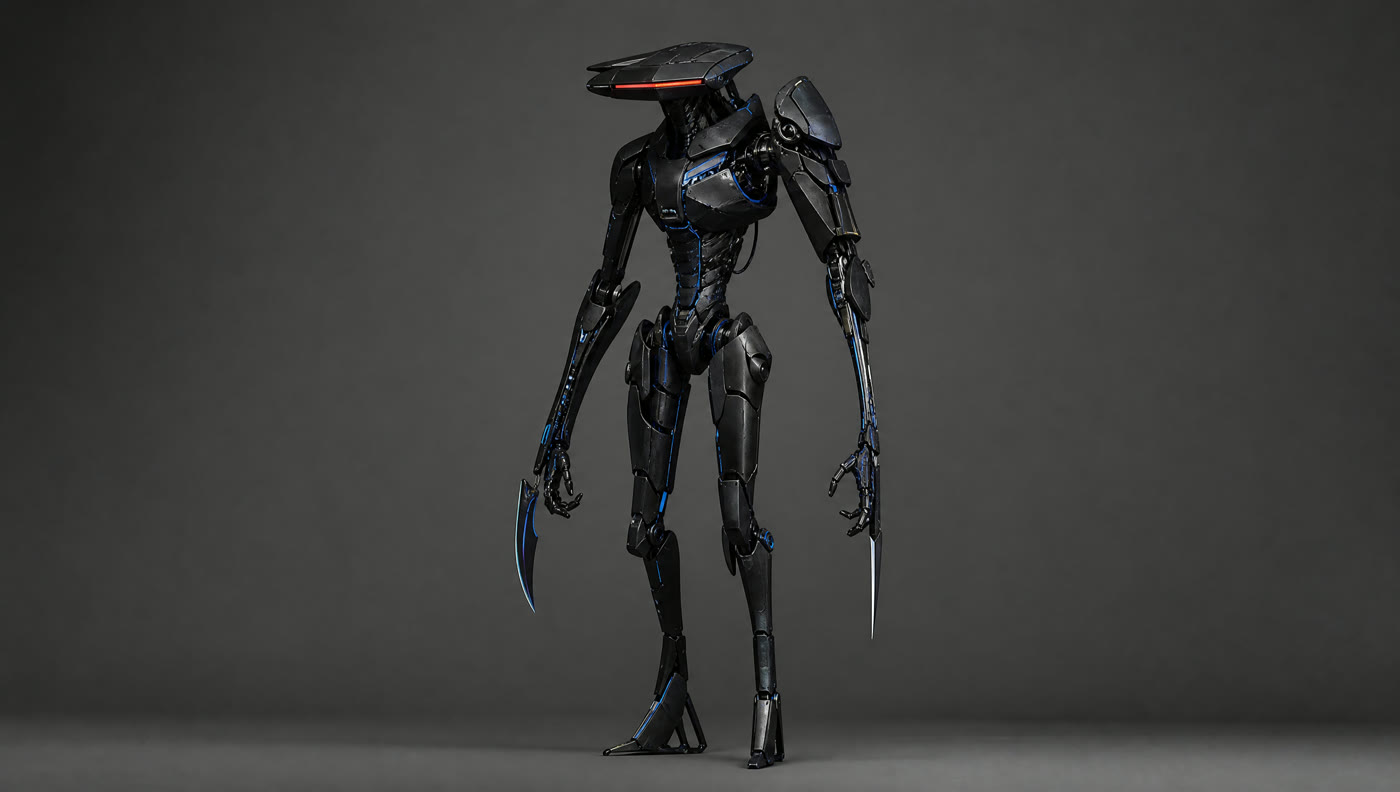
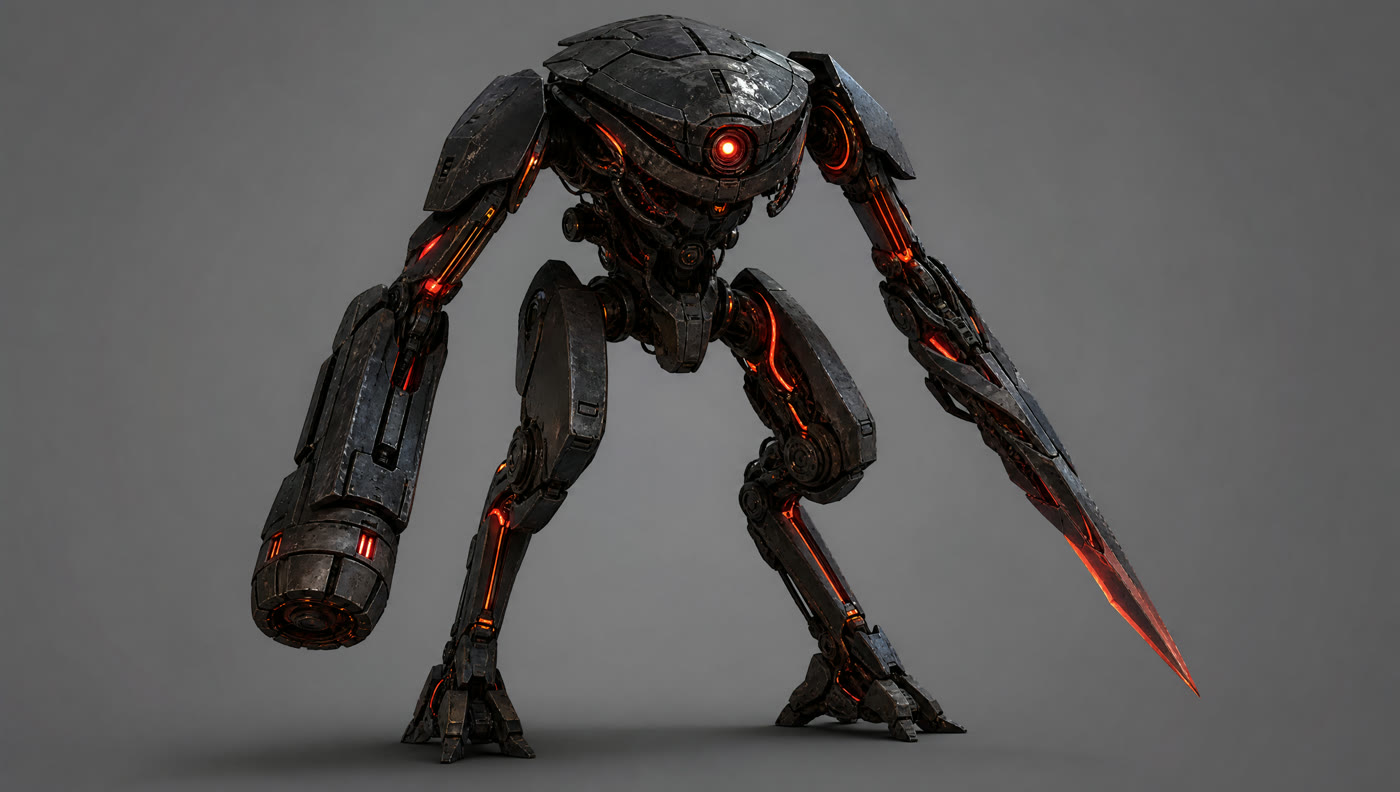
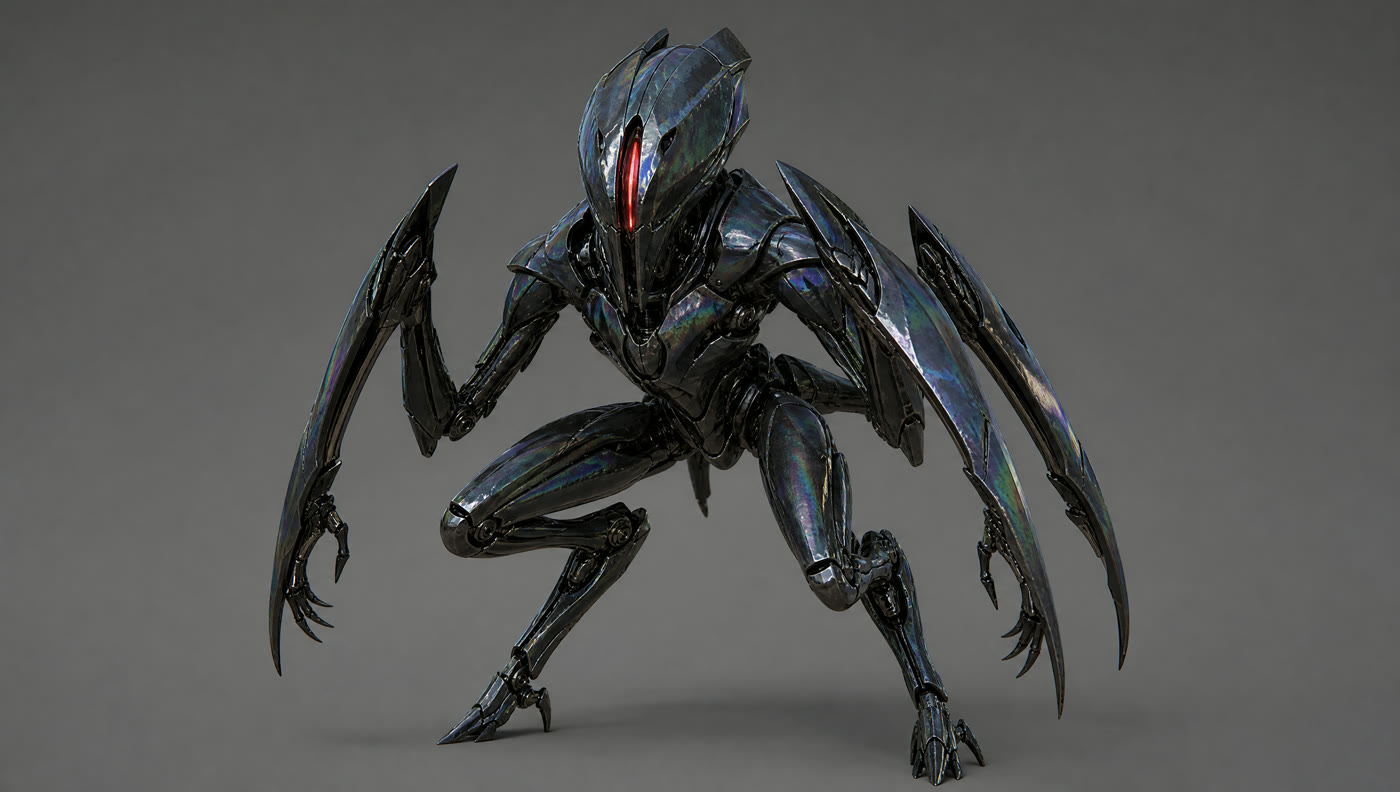
Then the world, built the same way. A small Japanese apartment for the wake up and a narrow alley of vending machines and kanji signage for the fight, drawn as neutral set sheets so the geometry is locked before any shot borrows it.
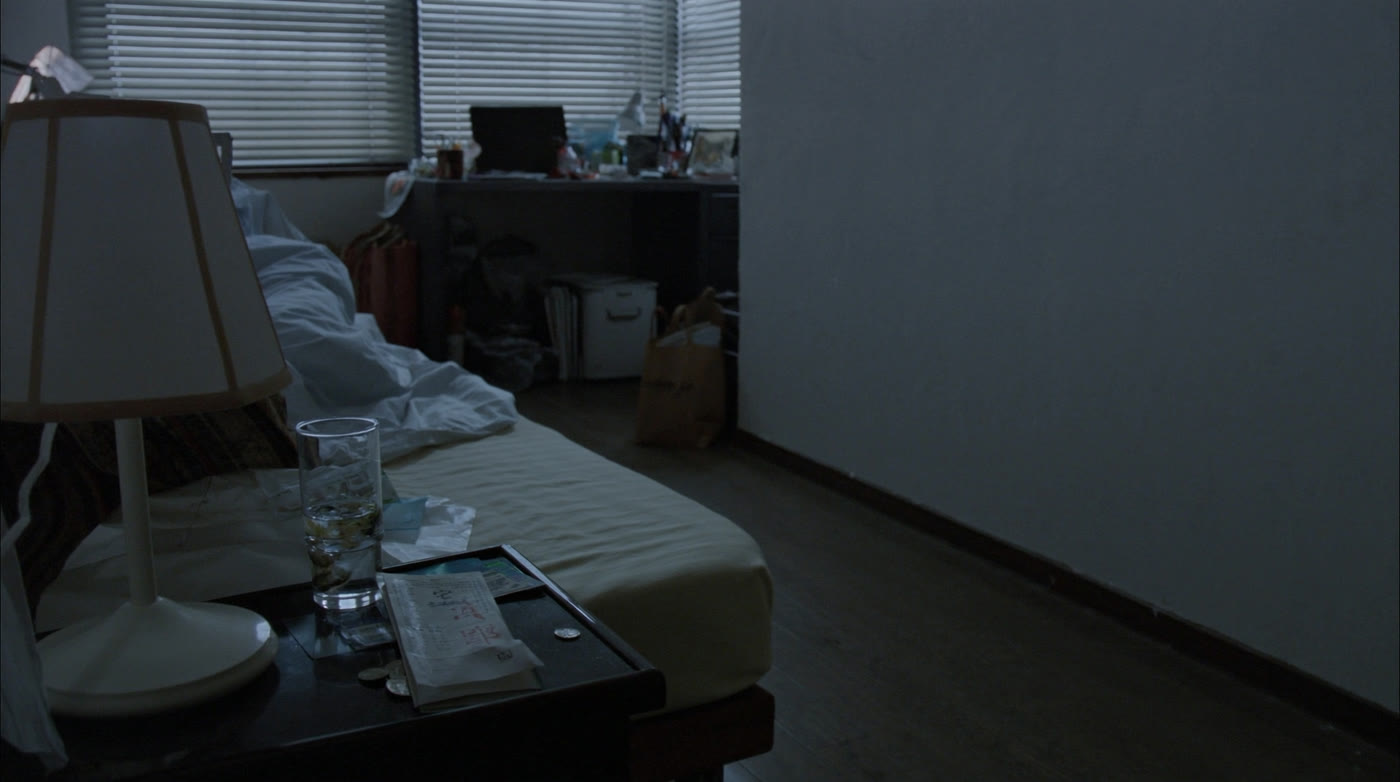
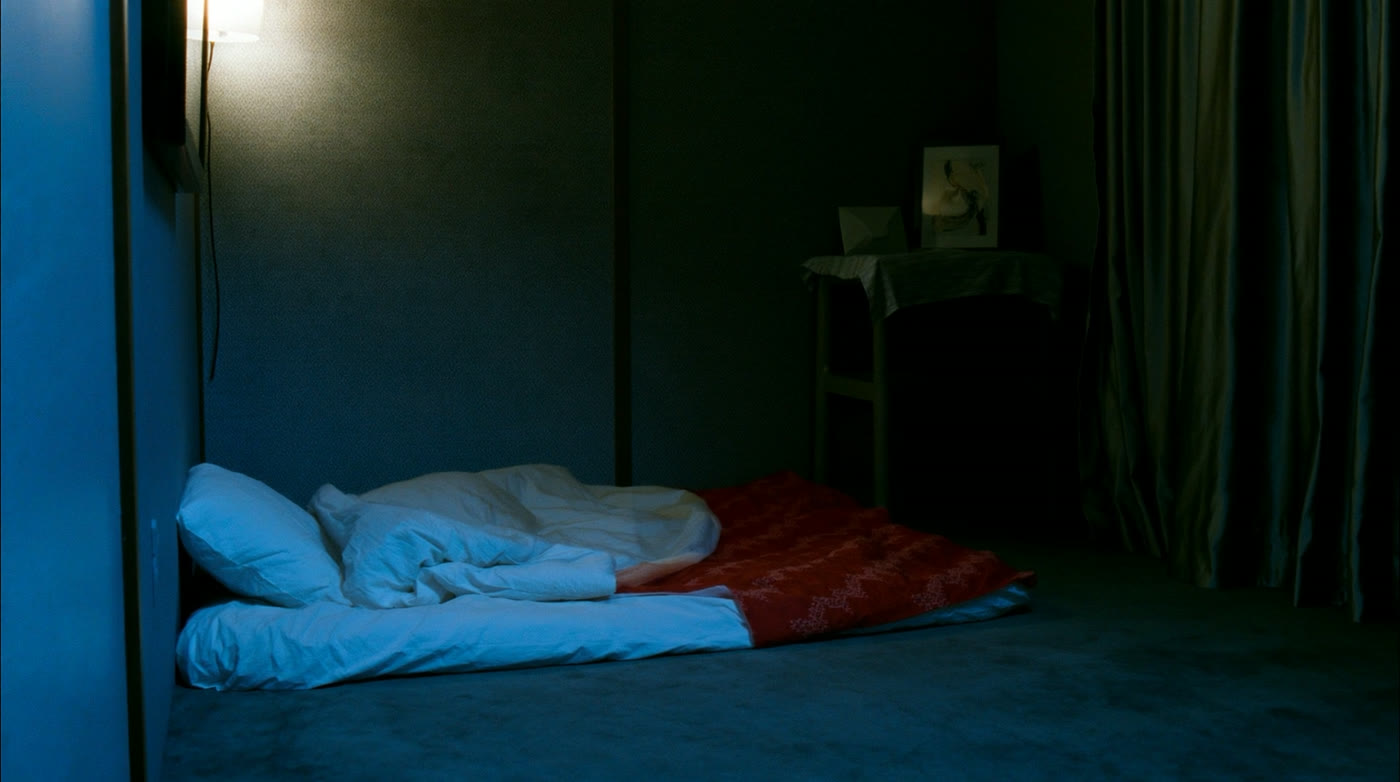
Version one was the fifteen second first pass, straight to the brief. He wakes, grabs money off the nightstand, walks out, meets the robot, turns into a robot himself, wins. It renders, but it is flat. There is no reason he fights, the camera just sits there, and the transformation reads as AI mush because nothing motivates it. A working shot is not a directed one.
Version two rewrote the why and stretched it to thirty. Now he wakes because he hears the thing, goes to the window, sees it crushing the street below, and that anger is the reason he suits up. I cut the money entirely, asked for handheld energy instead of a locked tripod, and staged the transformation as a macro on his hand that crawls up the arm into full armor. Better story. But pushing for motion and length is exactly what shakes new problems loose.
Because here is the tax on longer AI pieces: continuity drift. The thirty second cut had three bugs that a fifteen second one never gets long enough to show. The time of day jumped, sun in the sky as he ran, full night by the time he landed on the robot, and no, the fight did not take several hours. The room behind him changed between the wake shot and the window shot. And the stairwell door opened twice, which is nonsense. The engine will happily hand you noon and midnight in the same sequence if you do not nail it down.
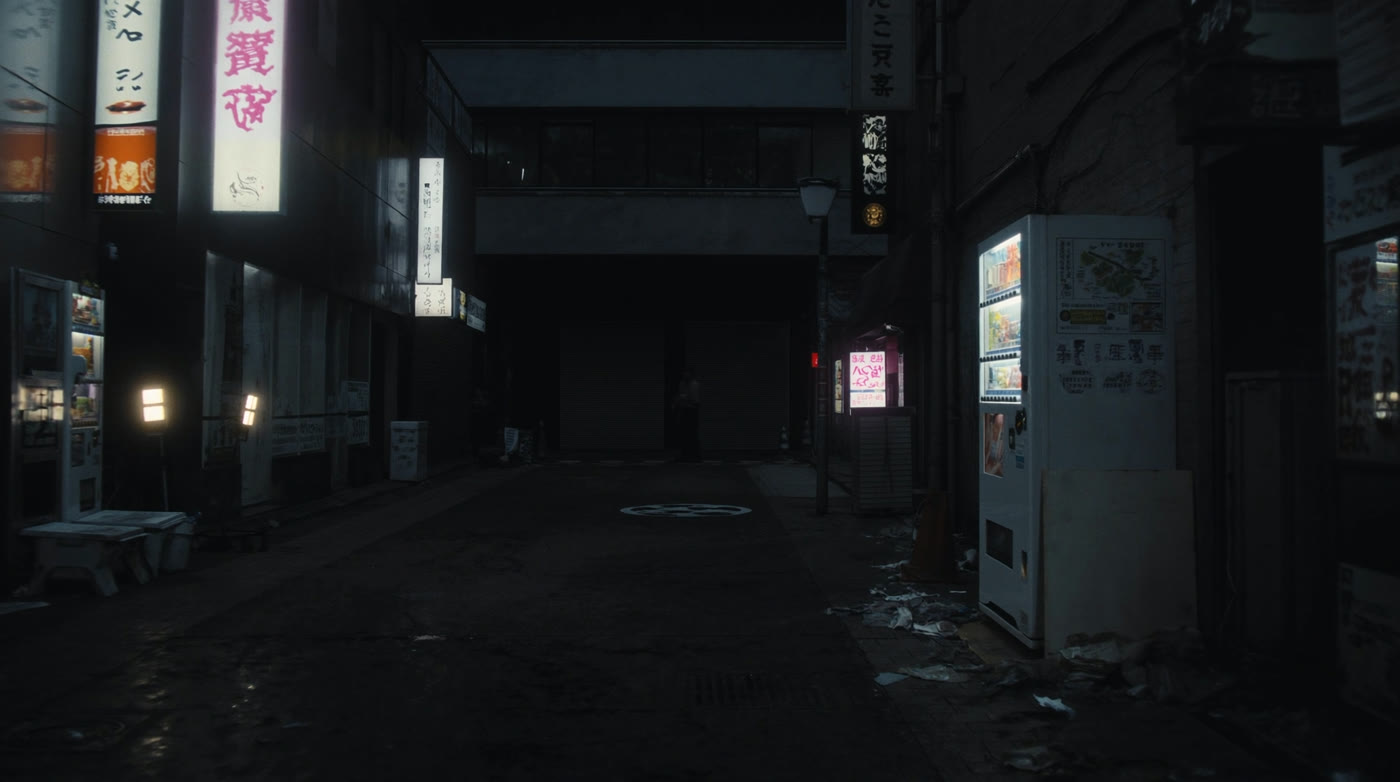
So the next pass fixed only continuity, nothing else. Every shot locked to night, the same room kept behind him at the window, the door opening exactly once. Same edit, just made honest.
Then version four art directed it, and that is the cut up top. I threw out the flat night and moved the whole thing to golden hour, low warm sun, because the diffusion and the flares I wanted actually read in that light. I added the shots that were missing: him peeking down through the blinds, a tight reaction on his face, a point of view drop to the street. And I re staged the fight so the physics hold, he circles off the line, ducks the swing, blocks with real weight, then lands one true punch, instead of the earlier version where he swung while facing the wrong way. Fifty two seconds, and it finally moves like something a person directed.
The lesson from yesterday still holds, small simple shots cut like real footage beat one long roll of the dice. This run added three more. Continuity is the price of length, so lock time of day and set dressing on purpose or the model drifts across the minute. Action needs real staging, a stance and a duck and a weighted block, or two robots just slide past each other. And golden hour plus handheld does most of the cinematic work for free. Next is the same move as last time: rebuild the keeper shot by shot at three to four seconds a clip, re roll the misses, and cut it like footage.
This one is the sequel to yesterday's two engine build, the man who left home. Same character, longer leash.